Air Quality in Charleroi — Ambios Live Map & Cryptocurrency Project
Real-time Air Quality Data with Ambios Sensors & Blockchain Rewards

Ambios Live Map — Air Quality, Pollution & Crypto-Rewards
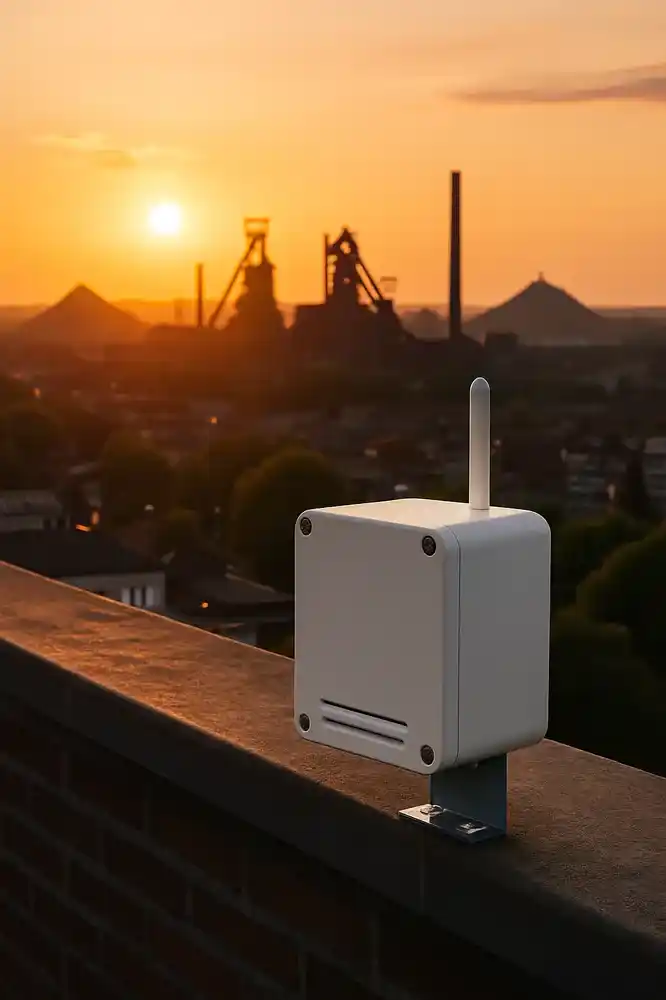
Charleroi, a city with a rich industrial past, was long associated with coal emissions, steelmaking, and road traffic.
Today, the situation has improved, but some air pollutants remain, especially near major roads or during winter heating peaks.
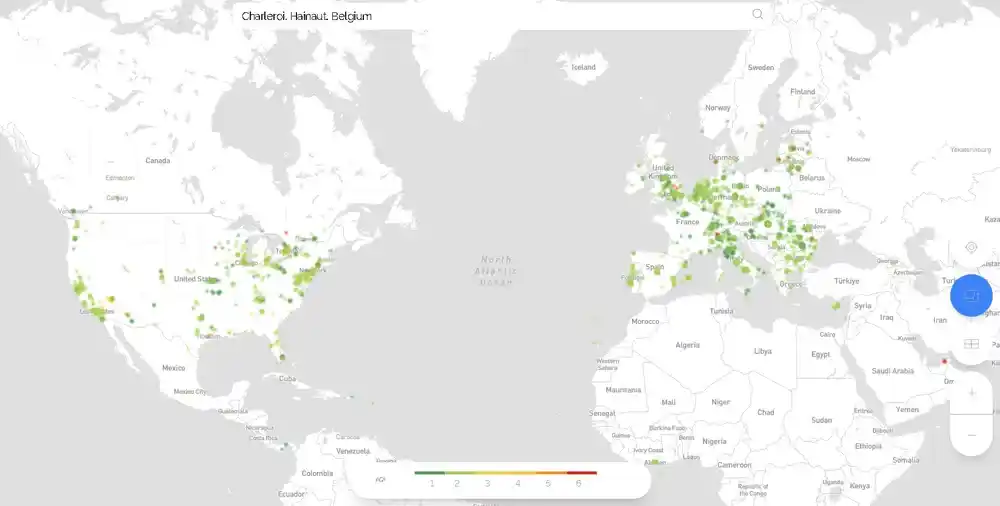
World Air Quality Map:
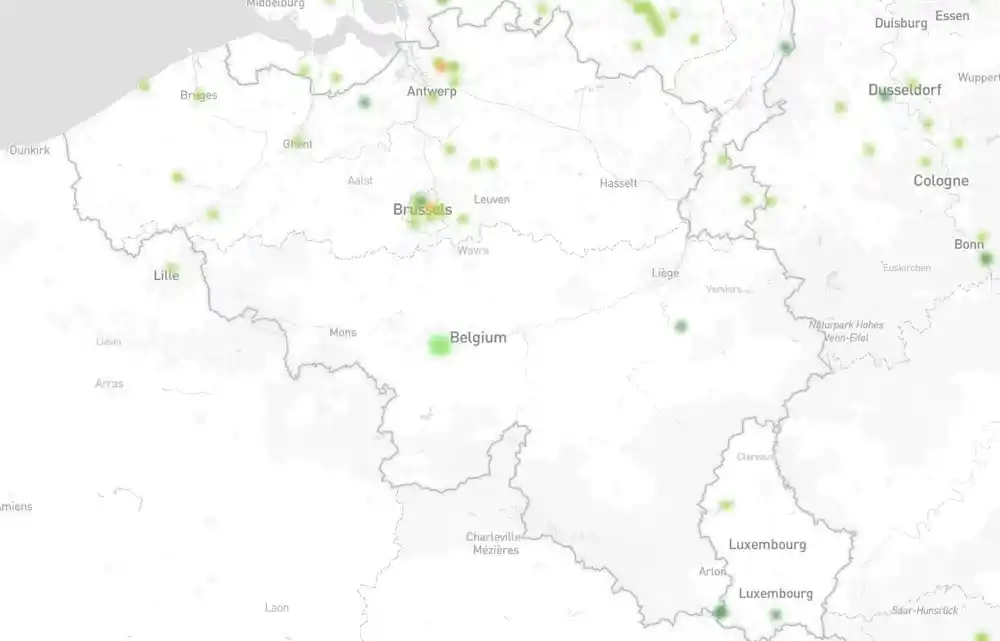
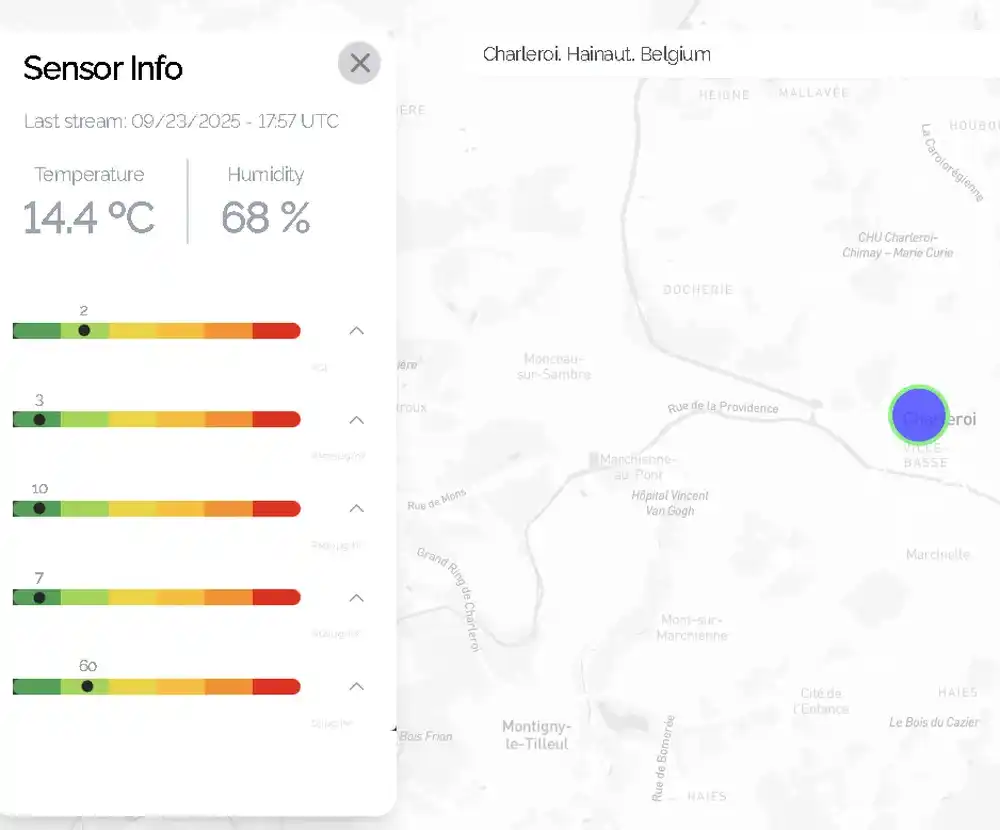
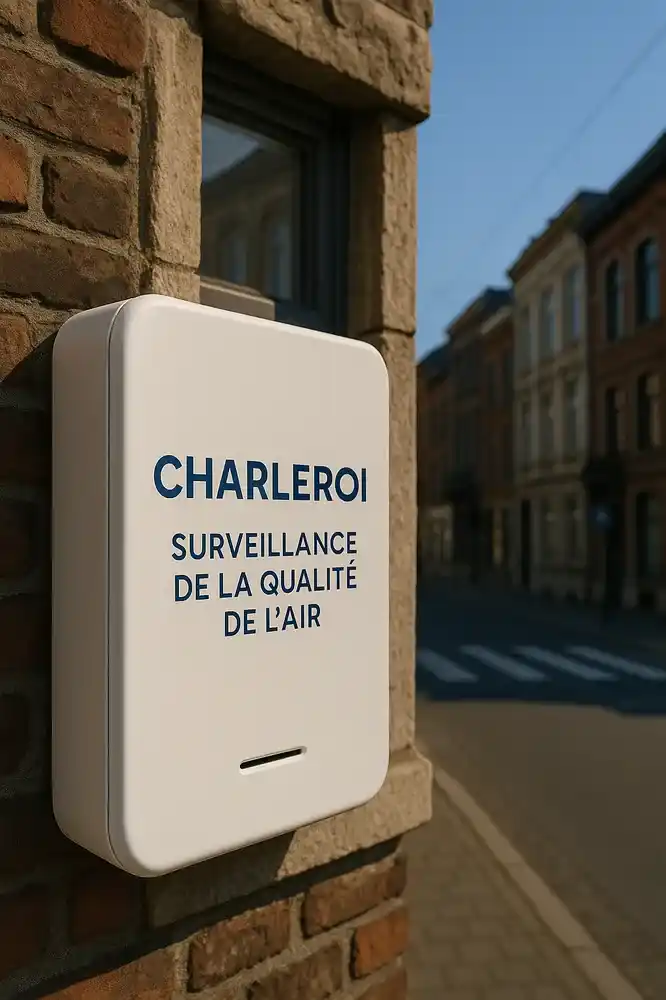
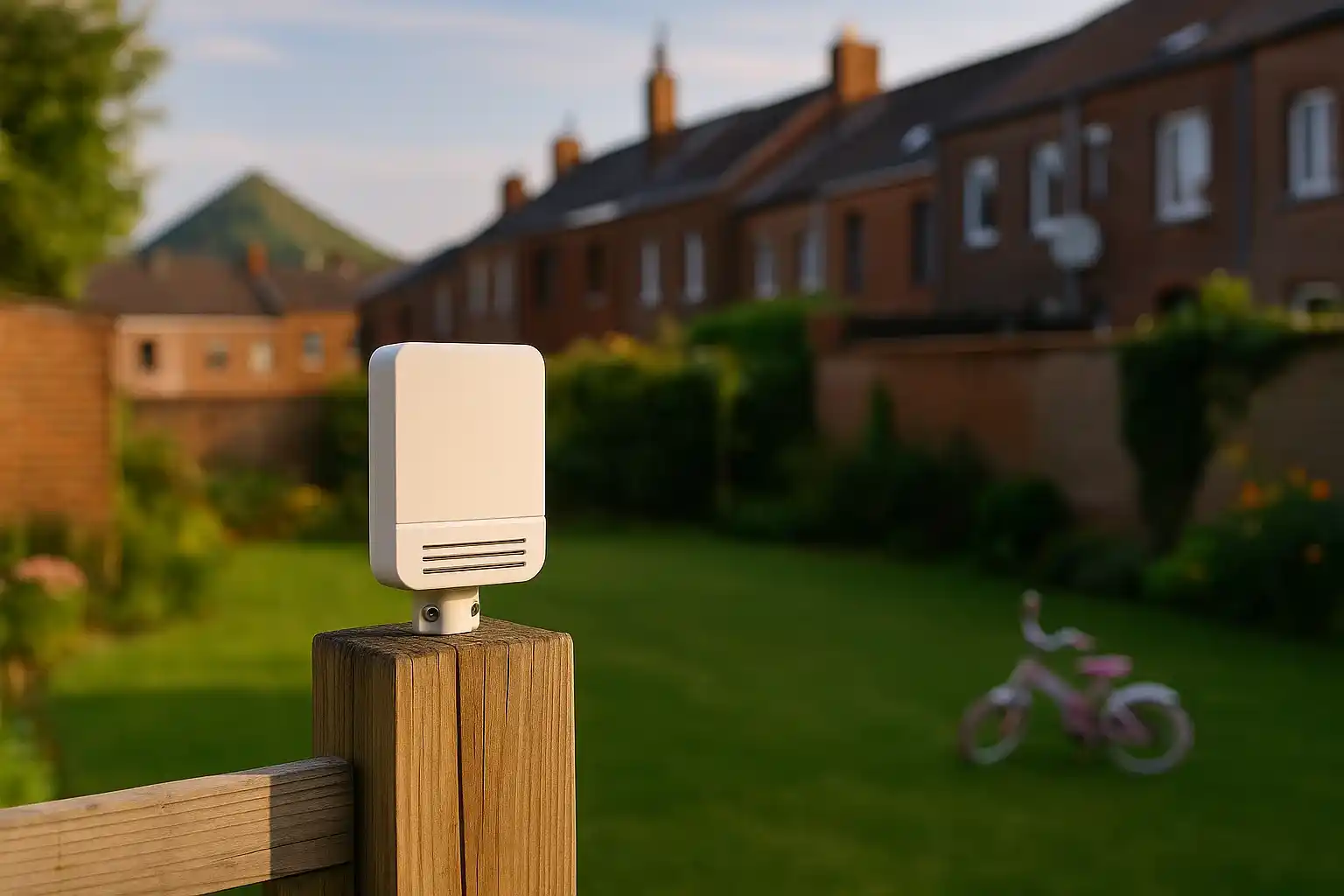
An innovative network like Ambios helps inform the city and its residents: a system of smart sensors that measure, aggregate, and publish real-time air pollution data.
$Ambios Value - Cryptocurrency:
The $AMBIOS is a digital currency created by the Ambios project, which uses blockchain technology to monitor the environment.
Join with your own Ambios sensor and become part of the citizen network to enrich the world map and contribute to a better local understanding of air quality.
Earn $Ambios by installing a sensor — you can earn $AMBIOS by sharing your data.
These tokens can then be used to access detailed information, take part in project decisions, and trade like a currency on specialized platforms.
Understand Charleroi’s Main Air Pollutants and Their Impact
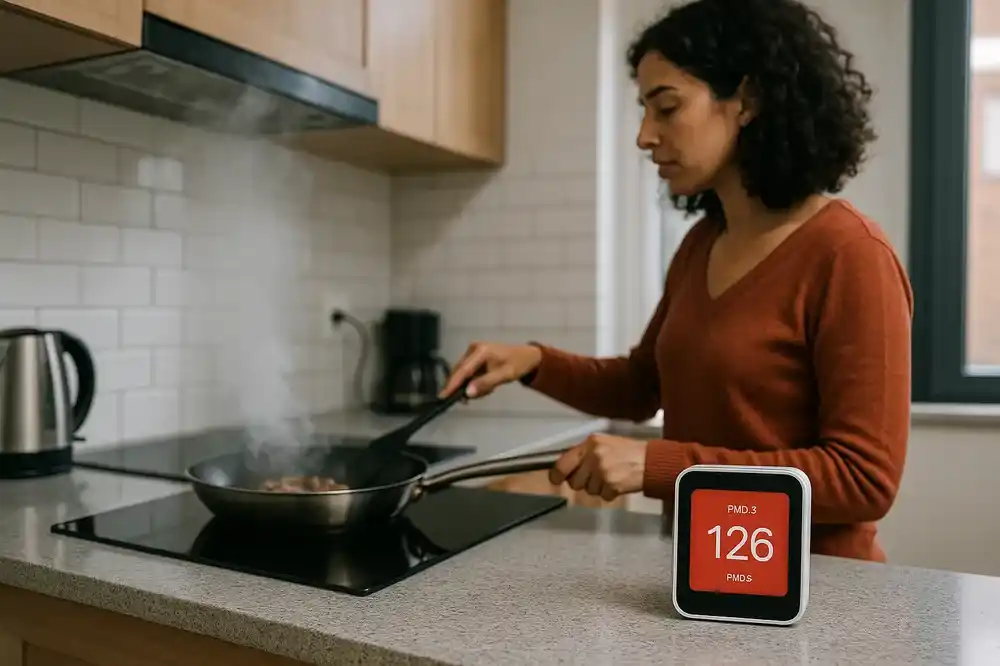
PM₂.₅ (fine particles):
ultrafine particles from traffic, heating and industrial activities.
They penetrate deep into the airways and can affect the cardiovascular and respiratory systems.
PM₁₀ (inhalable particles):
larger but still breathable particles from the same sources.
They tend to lodge in the upper airways.
NO₂ (nitrogen dioxide):
an irritating gas mainly emitted by road traffic and some heating systems;
it affects the airways and worsens asthma.
O₃ (tropospheric ozone):
a secondary pollutant that forms in sunlight from other pollutants.
Levels are higher in summer and in peri-urban areas.
Health Tips and Eco-Actions During Pollution Peaks
Check the Ambios AQI before planning strenuous outdoor activities.
During pollution peaks, favour well-ventilated indoor spaces and avoid high-traffic areas.
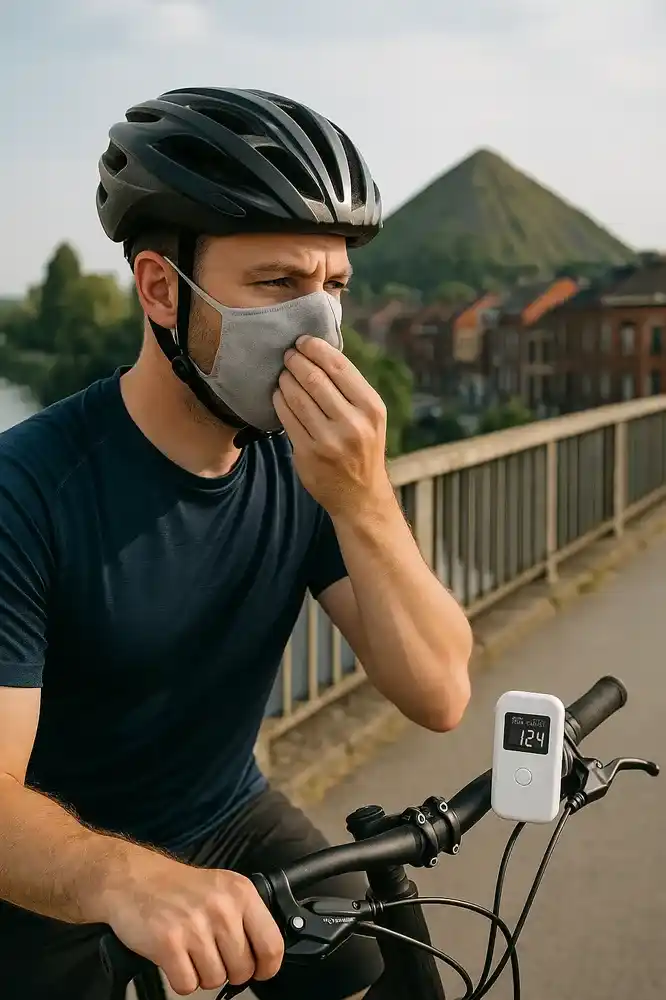
Sensitive groups (children, older adults, people with asthma) should reduce prolonged exposure during “Poor” or “Very poor” periods.
Choose side streets for walking or cycling rather than the edges of busy thoroughfares.